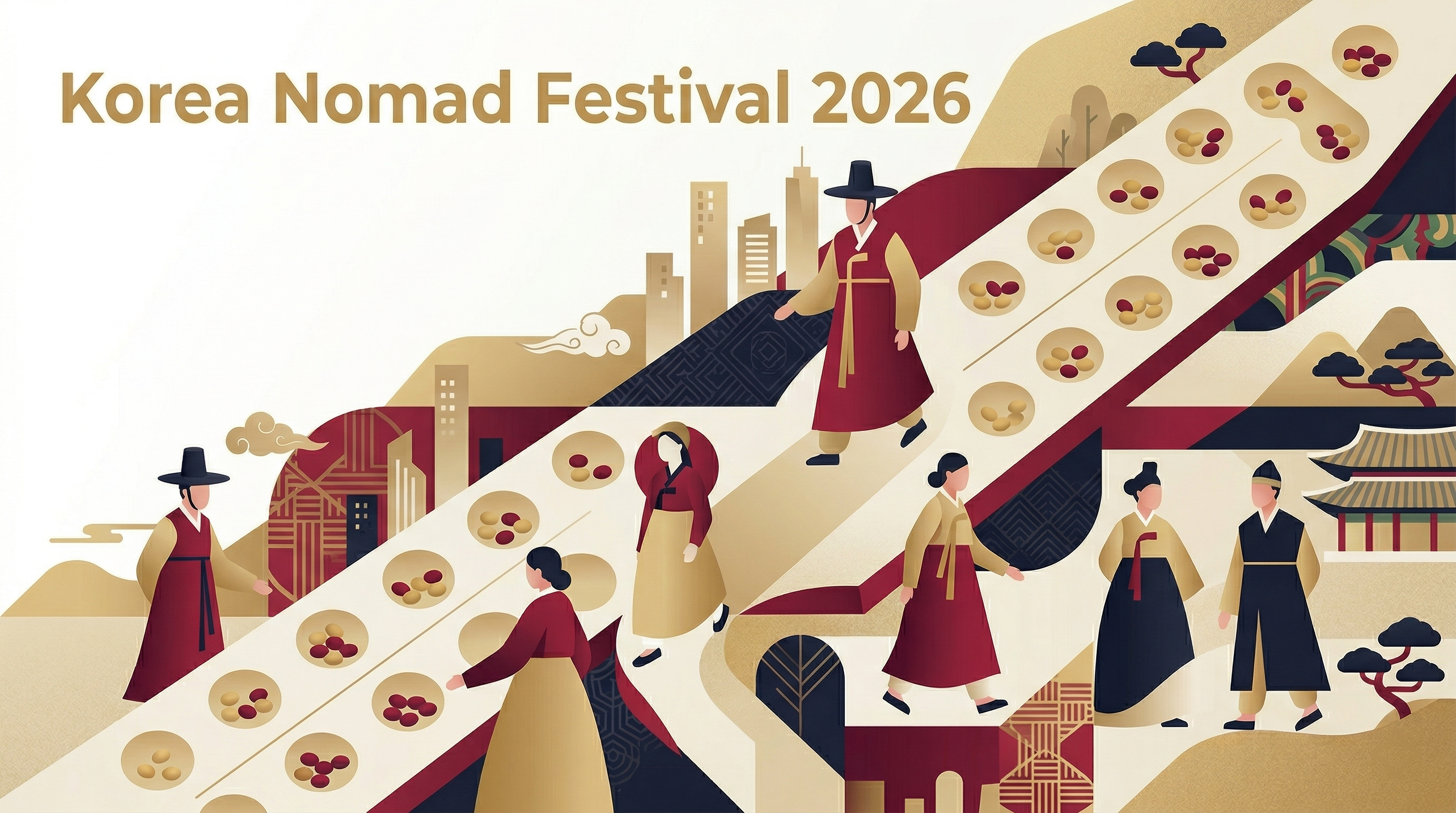
The UNESCO World Traditional Intellectual Game Grand Festival was successfully held as part of the 2026 Korean Nomad Festival, concluding on March 21 at the Seoul Archives.
The event brought together representatives of traditional strategic games recognized as Intangible Cultural Heritage by UNESCO. The opening ceremony was honored by the حضور of the Ambassadors of Kazakhstan and Kyrgyzstan to Korea, who demonstrated the games and highlighted the growing global importance of traditional intellectual games. In addition, congratulatory video messages from international game officials further emphasized the festival’s international significance.
During the festival, Memorandums of Understanding (MOUs) were signed with 12 organizations, including the Eunpyeong Lifelong Learning Center and a strategic board game company. Furthermore, seven honorary ambassadors were appointed to support the educational use and promotion of traditional intellectual games across Korea.
A special exhibition zone attracted great interest from visitors, featuring a wide range of cultural experiences. These included traditional games such as “Beth Asik,” national archery activities, and various cultural displays and souvenirs collected from international events and foreign embassies.
A key highlight of the festival was the official introduction and distribution of international federation rules for the first time in Korea. Building on this, in-depth masterclass sessions were conducted, enhancing the educational and professional value of the event.
The festival concluded with a commemorative tournament involving 32 participants, delivering a highly competitive and engaging experience.
A representative from the Korea Intellectual Game Federation stated:
"This event was a valuable opportunity to promote the excellence of traditional intellectual games and to foster international exchange. We will continue our efforts to spread this meaningful cultural heritage."
The event marked an important step forward in the global promotion and institutional development of traditional intellectual games, including mancala variants, reinforcing their role as both cultural heritage and modern educational tools.